A staged learning plan
Sequence the essential people, capabilities, and activities. Give a new team member a clear starting point and give their manager practical checkpoints for review.
LEARNING & BUSINESS AUTOMATION
Help new team members connect product knowledge with the customer conversation. TAG builds sales onboarding around discovery, internal capabilities, and the next useful action, especially for teams selling technical solutions.
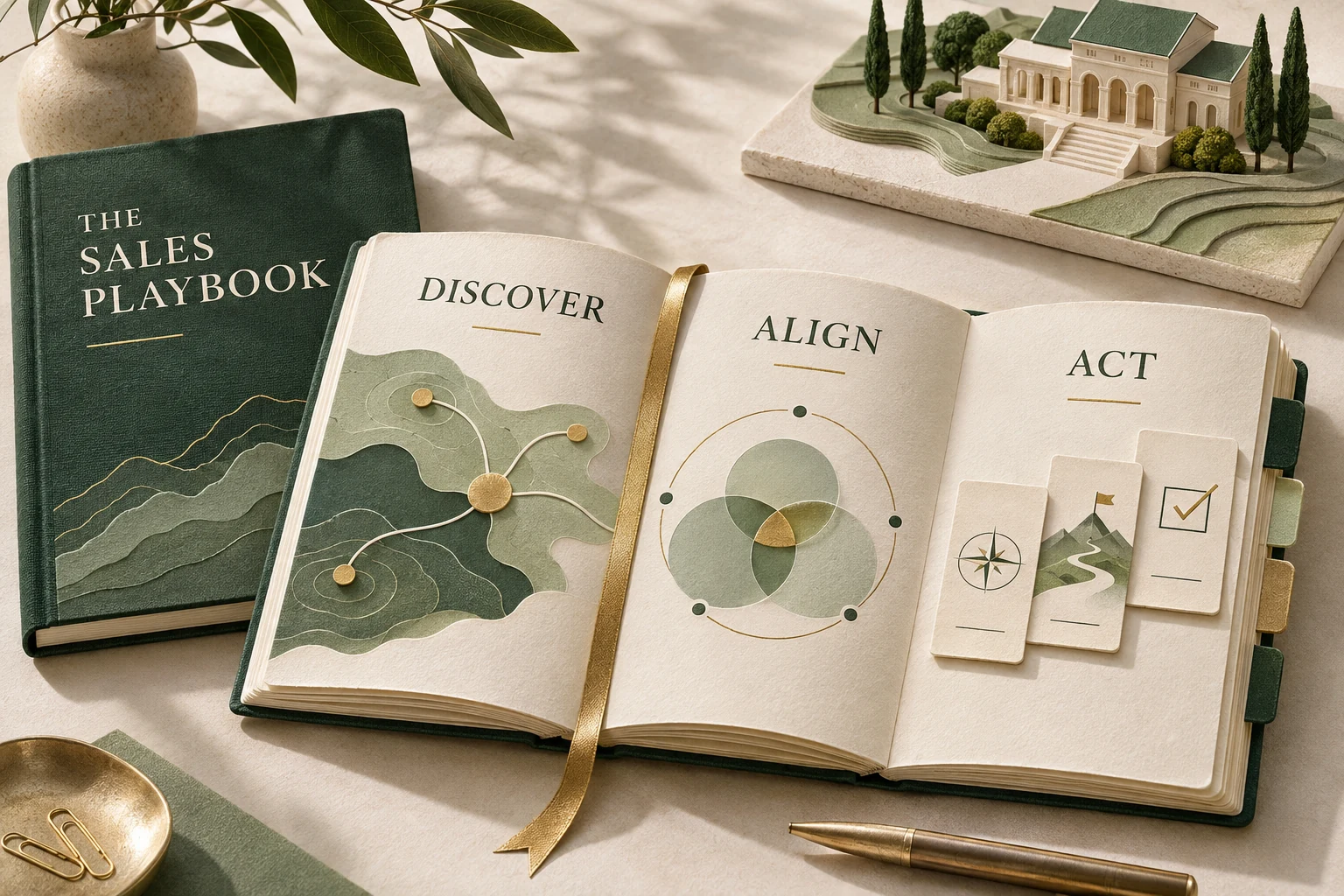
New salespeople often inherit a collection of presentations, contacts, and product information. A useful onboarding experience connects those resources to the decisions they need to make and the conversations they need to lead.
Sequence the essential people, capabilities, and activities. Give a new team member a clear starting point and give their manager practical checkpoints for review.
Develop questions, customer scenarios, and conversation guides around your sales process. Practice identifying the need, clarifying unknowns, and agreeing on a next step.
Bring useful references, handoff checklists, and follow-up habits into one guide. Show who to involve and what information they need, without exposing sensitive customer material.
A FOCUSED FIRST PROJECT
Start with a discovery call, an applications handoff, or another recurring moment. Agree on the knowledge and judgment the role requires.
Work with experienced team members to capture the questions, examples, and references that help. Turn them into a short practice sequence and usable guide.
Ask a small group to work through a realistic scenario. Use manager feedback to refine the guide and identify what needs coaching or further practice.
SEE THE APPROACH
Scott’s professional planning framework connects staged learning, discovery questions, capability mapping, and actions with owners and dates. This founder experience informs TAG’s approach to sales onboarding.
Read the sales onboarding exampleYes. TAG’s approach draws on Scott’s experience in technical sales and CRM implementation. A pilot can connect product and application knowledge with discovery, internal coordination, and customer follow-through.
Yes. A field guide can support existing staff when a process, capability, or responsibility changes. We agree on the audience and avoid adding material people already know.
Define a realistic situation and the decisions a salesperson needs to make. Review the quality of their questions, handoff information, and proposed next action. Any broader performance measures should be agreed with your team and tracked over time.
Based in Portland. Working with teams everywhere.